
Strengthening (Bio)Statistics and Data Science Education and Research Resources in Sub Saharan Africa
Join us for an engaging session focused on capacity building and research enhancement in biostatistics and data science at universities across Sub Saharan Africa. Over the years, significant investments have been made in higher education, training, and research. Traditionally, these partnerships have followed a North-South donor-recipient model. However, recent developments highlight the importance of integrating robust South-South collaborations to create more effective educational partnerships.
This session will showcase several ongoing initiatives supported by various organizations, emphasizing mutual North-South-South partnerships that have emerged in recent years. The presentations will cover four key topics that have fostered capacity building in biostatistics and data science across the region.
These initiatives exemplify diverse approaches to enhancing education and research in biostatistics and data science in Sub Saharan Africa. Each relies on strong collaborative networks and aims to produce sustainable deliverables that will remain accessible long after initial funding concludes.
Invited Speakers
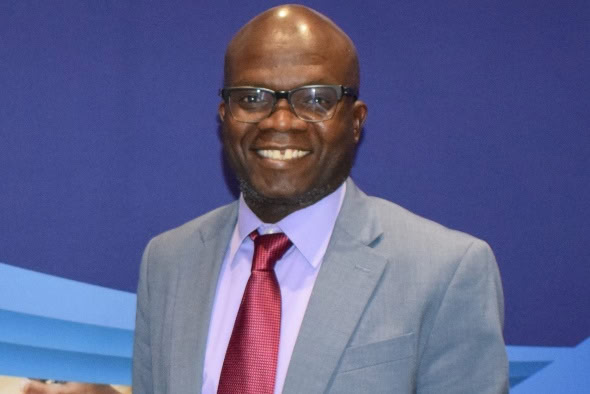
Tobias Chirwa, PhD
Tobias Chirwa heads the School of Public Health of the University of the Witwatersrand (Wits), South Africa. He is the Programme Director for the Sub-Saharan Africa Consortium for Advanced Biostatistics (SSACAB) and co-leads the Wits-University of North Carolina (UNC) partnership on expanding capacity in HIV Implementation Science in South Africa, together with the WHO/TDR Implementation Research. Prior to this, he was a Research Fellow in Medical Statistics at London School of Hygiene and Tropical Medicine (LSHTM).
Read More
Tobias Chirwa heads the School of Public Health of the University of the Witwatersrand (Wits), South Africa. He is the Programme Director for the Sub-Saharan Africa Consortium for Advanced Biostatistics (SSACAB) and co-leads the Wits-University of North Carolina (UNC) partnership on expanding capacity in HIV Implementation Science in South Africa, together with the WHO/TDR Implementation Research. Prior to this, he was a Research Fellow in Medical Statistics at London School of Hygiene and Tropical Medicine (LSHTM).
He has contributed towards curriculum development and capacity building in implementation science, epidemiology and biostatistics in Malawi and South Africa, and across the SSA region. His research has revolved around STIs and HIV, maternal and newborn health. He continues to work on HIV, tuberculosis diagnosis, treatment adherence and post-treatment survival, and more recently malaria transmission. His statistical interest is in longitudinal and survival data analysis. He has co-authored more than 100 peer-reviewed journal articles.
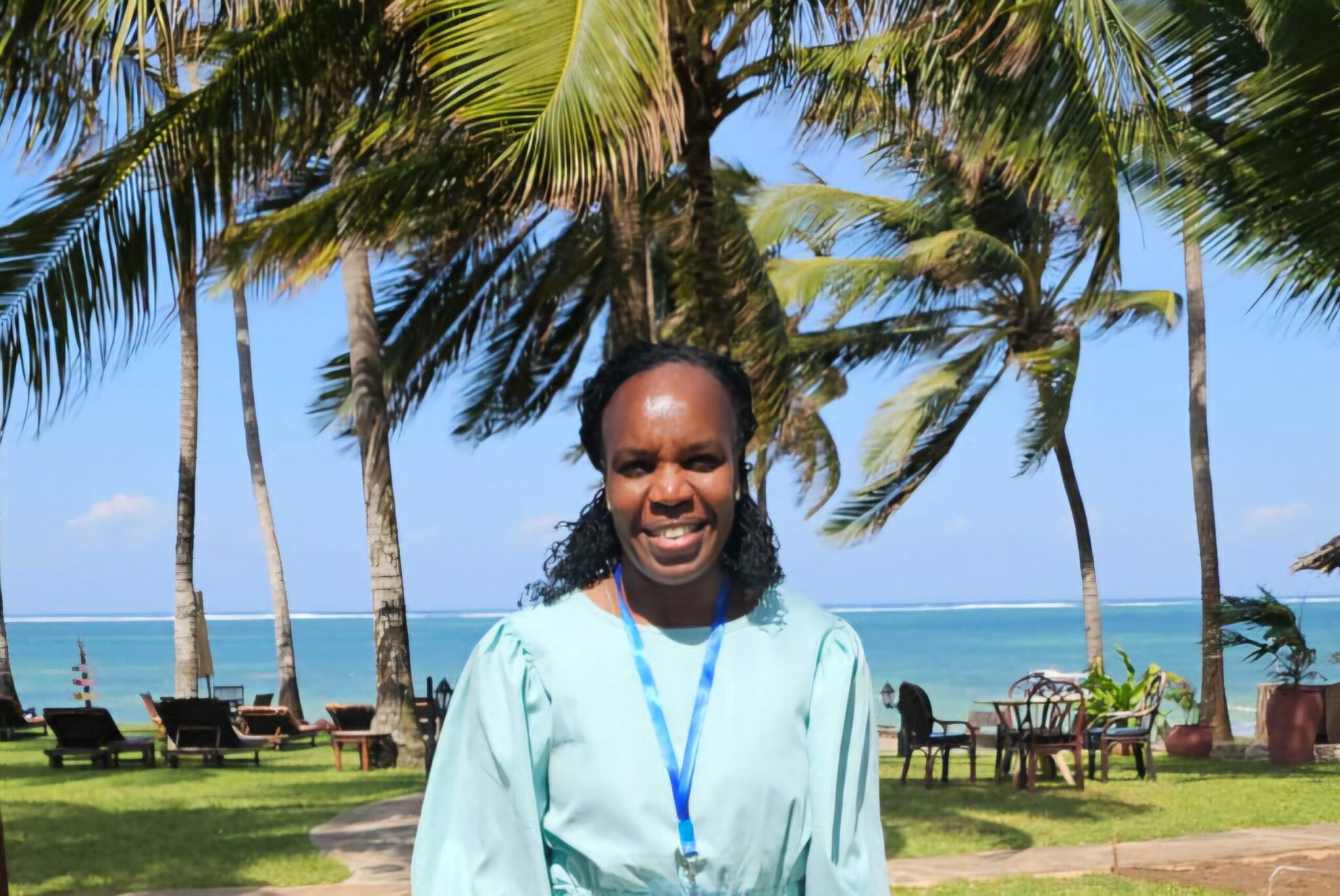
Ann Wanjiru Mwangi, PhD
Ann Wanjiru Mwangi, is the Associate Dean for Research and Innovation in the School of Postgraduate Studies, Research and Innovation at Moi University. She holds a PhD in Biostatistics from Brown University (USA), dual master’s degrees in Biostatistics and Applied Statistics from Hasselt University (Belgium), and a Bachelor of Science degree from Jomo Kenyatta University of Agriculture and Technology (Kenya).
Read More
Ann Wanjiru Mwangi, is the Associate Dean for Research and Innovation in the School of Postgraduate Studies, Research and Innovation at Moi University. She holds a PhD in Biostatistics from Brown University (USA), dual master’s degrees in Biostatistics and Applied Statistics from Hasselt University (Belgium), and a Bachelor of Science degree from Jomo Kenyatta University of Agriculture and Technology (Kenya).
She is an Associate Professor of Biostatistics in the Department of Mathematics, Physics, and Computing, Dr. Mwangi has over two decades of experience in biostatistical research, teaching, and mentorship. She trains and supervises undergraduate and postgraduate students across the School of Science and the College of Health Sciences. For the past 20 years, she has served as a Biostatistician with the Academic Model Providing Access to Healthcare (AMPATH) program, contributing to numerous peer-reviewed publications. She is Co-Director of the AMPATH Data and Analysis Team (ADAT) and has been instrumental in advancing data-driven decision-making in clinical care. Her research interests include Data Science, Causal Inference, and statistical methods for reducing bias in observational data, particularly in resource-limited settings where clinical trial data are scarce. Her work spans HIV & AIDS, oncology, chronic diseases, and other pressing health challenges.
Dr. Mwangi is a Co-Investigator on several funded grants, including a D43 & DSI training grant, an R01 focused on optimizing HIV treatment, and an R01 in Data Science for Clinical Decision Support aimed at improving retention and viral suppression in western Kenya. She also serves as Co-Principal Investigator for the Sub-Saharan Africa Advanced Consortium for Biostatistics (SSACAB) training program. She has extensive expertise in quantitative research methods, grant writing, manuscript development, and advanced data analysis, she actively contributes to capacity building in biostatistics across the region. Dr. Mwangi is a member of the International Biometrics Society.
Publications: https://www.ncbi.nlm.nih.gov/myncbi/ann.mwangi.1/bibliography/public/
Ziv Shkedy, PhD
Ziv Shkedy is Professor of Biostatistics and bioinformatics at the University of Hasselt in Belgium. He received an MSc in Biostatistics and a PhD in Biostatistics (1998, 2003) from Hasselt University, Belgium. Dr Shkedy published numerous journal articles on the topics of clinical and non-clinical trials, modelling infectious disease data, dose-response analysis, Bayesian modelling, bioinformatics, analysis of gene expression data, analysis of big and high dimensional data.
Read More
Ziv Shkedy is Professor of Biostatistics and bioinformatics at the University of Hasselt in Belgium. He received an MSc in Biostatistics and a PhD in Biostatistics (1998, 2003) from Hasselt University, Belgium. Dr Shkedy published numerous journal articles on the topics of clinical and non-clinical trials, modelling infectious disease data, dose-response analysis, Bayesian modelling, bioinformatics, analysis of gene expression data, analysis of big and high dimensional data. Dr Shkedy is a co-author/co-editor of 5 books. Dr Shkedy served as associate editor for biometric and the journal of computational statistics and data analysis. Since 2004 Dr Shkedy participated and coordinated many projects for education and research development in Sub Saharan Africa. This includes the development of the master in biostatistics and epidemiology and the PhD School at the University of Gondar, Ethiopia and the development of the master in biostatistics in Jimma University, Ethiopia. Currently, together with Prof Ann Mwangi from Moi University, Kenya, Dr Shkedy is the coordinator of the eR-BioStat training program in Ethiopia, Kenya and South Africa.
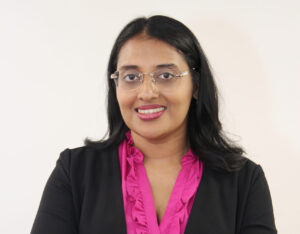
Tarylee Reddy, PhD
Dr Tarylee Reddy is the Director of the Biostatistics Research Unit at the South African Medical Research Council. She also holds the position of Secretary of the International Biometric Society and President of the South African Region of the International Biometric Society. She holds a BSc degree in Actuarial Science (2008), a BSc Honours (summa cum laude, 2009) and Masters in Statistics…..
Read More
Dr Tarylee Reddy is the Director of the Biostatistics Research Unit at the South African Medical Research Council. She also holds the position of Secretary of the International Biometric Society and President of the South African Region of the International Biometric Society. She holds a BSc degree in Actuarial Science (2008), a BSc Honours (summa cum laude, 2009) and Masters in Statistics (cum laude, 2011) from the University of KwaZulu Natal, South Africa and a PhD in Statistics (2017) from the University of Hasselt in Belgium. She has a 15 years’ experience in the analysis of clinical trials and surveys. In her current position at the South African Medical Research Council, she serves as co-investigator and lead statistician on several COVID-19, HIV/AIDS and Tuberculosis studies. Her research interests include the design and analysis of clinical trials, complex surveys as well as the analysis of longitudinal data and she has led several projects in this area, including the CDC-funded: Improved District-level estimates of VMMC in South Africa and Novel Approaches for Time to Threshold Estimation. Dr Reddy has authored and co-authored more than 150 peer-reviewed publications. She was a 2021 winner of the InspiringFiftySA award, as well as a recipient of a Silver SAMRC Scientific Merit Award in 2023. In 2023 she was awarded the Paul Janssen Award for Statistical Collaboration in the South.
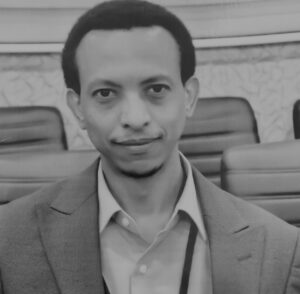
Nuredin Mohammed, PhD
Nuredin Mohammed is an Associate Professor and Deputy Head of the Statistics & Bioinformatics Department at the MRC Unit The Gambia, London School of Hygiene & Tropical Medicine. Prof Mohammed Nuredin studied at Addis Ababa University (BSc), London School of Hygiene & Tropical Medicine (MSc) and University of Birmingham (PhD). His work focuses on applying statistical/mathematical methods to biomedical research, with interests spanning modelling, clinical trials, and health data sciences in general.
Read More
Nuredin Mohammed is an Associate Professor and Deputy Head of the Statistics & Bioinformatics Department at the MRC Unit The Gambia, London School of Hygiene & Tropical Medicine. Prof Mohammed Nuredin studied at Addis Ababa University (BSc), London School of Hygiene & Tropical Medicine (MSc) and University of Birmingham (PhD). His work focuses on applying statistical/mathematical methods to biomedical research, with interests spanning modelling, clinical trials, and health data sciences in general. In addition, he is actively engaged in teaching as well as capacity-building initiatives in Africa.
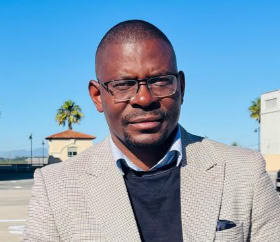
Innocent Maposa, PhD
Innocent Maposa is Professor and a biostatistician with close to 15 years of teaching and research experience. He has training in both Mathematics and Statistics, with a PhD and MSc in Statistics from University of Zimbabwe (UZ, Zimbabwe) and University of the Western Cape (UWC, South Africa). Prof Maposa is an NRF C rated scientist with over 50 peer reviewed publications.
Read More
Professor Innocent Maposa is a biostatistician with close to 15 years of teaching and research experience. He has training in both Mathematics and Statistics, with a PhD and MSc in Statistics from University of Zimbabwe (UZ, Zimbabwe) and University of the Western Cape (UWC, South Africa). Prof Maposa is an NRF C rated scientist with over 50 peer reviewed publications. He works at the intersection of Biostatistics, Epidemiology and Data Science. He is an active member of the International Biometrics Society (IBS) and is current IBS Representative Committee member for South African Region where he recently served as chair for a subcommittee. In addition, he is also a member of SAMSA/MASAMU as well as other international professional organisations. Currently, Prof Maposa is the MSc and PhD Biostatistics programme lead at Stellenbosch University in the Division of Epidemiology & Biostatistics within the Global Health Department. Prof Maposa is a member of several postgraduate committees in the Faculty of Medicine and Health Sciences among other administrative responsibilities.
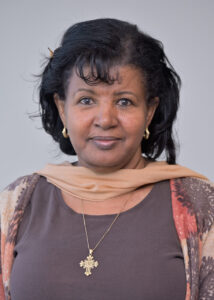
Misrak Gezmu, PhD (Discussant)
Dr Gezmu is currently a Program Official for Statistical Methods grants in infectious diseases research at the Division of Clinical Research, National Institute of Allergy and Infectious Diseases (NIAID), National Institutes of Health (NIH).
Read More
Biostatistics Research Branch, Division of Clinical Research,
National Institute of Allergy and Infectious Diseases, National Institutes of health.
Dr Gezmu is currently a Program Official for Statistical Methods grants in infectious diseases research at the Division of Clinical Research, National Institute of Allergy and Infectious Diseases (NIAID), National Institutes of Health (NIH). In her capacity as a Program Official, she informs the statistical community about the current research area of the institute, gives advice in submitting grant applications and discusses the next steps after their grant is reviewed. Dr Gezmu is highly dedicated to increasing the biostatistical work force to address the growing demand of biostatisticians in biomedical research nationally and internationally. Dr Gezmu is an elected Fellow of the American Statistical Association.
All presenters, the chair, and the discussant are actively involved in long-term projects that promote education and research in (bio)statistics and data science within sub-Saharan Africa.
Don’t miss this opportunity to learn about impactful initiatives and contribute to the discussion on strengthening our educational resources!
Ethiopia Biometric Society
6 Kilo, Leadership International Building
1st Floor, Office No. 104-A
Addis Ababa, Ethiopia
Email: ethiopianbiometricssociety@gmail.com
Usefull Links
- Copyright 2025, All Rights Reserved!